


Safety Notes
This also means that the biochemical processes of plants take place smoothly and effectively, limiting the supply of harmful germs, increasing endurance and minimizing negative impacts from the external environment. Along with that, farmers need to consider choosing reputable fertilizer products that ensure quality, are capable of providing all the necessary nutrients, do not harm plants, users or have negative impacts on the surrounding environment. If not used in sufficient dosage, the effectiveness of fertilizer is not guaranteed, and plants will not be provided with enough necessary nutrients. Need to be equipped with enough masks, gloves, protective clothing and appropriate tools to ensure body safety. In case you do not have much experience with some plant varieties, ask for more information from experts or experienced people to choose and use NPK 1 fertilizer appropriately.
Confirm the specifications and safety instructions in the technical documentation for each batch before use.
Original Information and Warnings to Verify
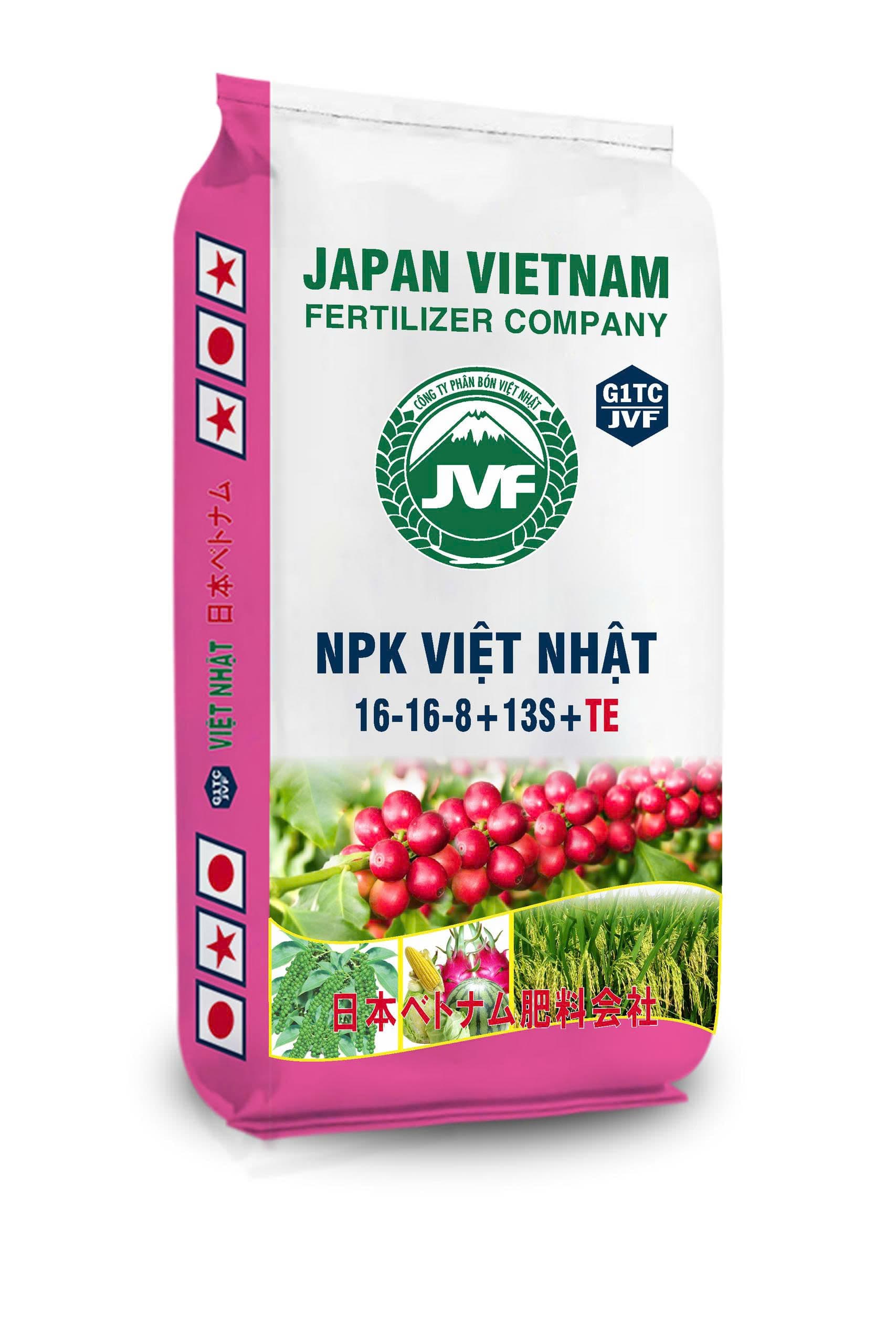
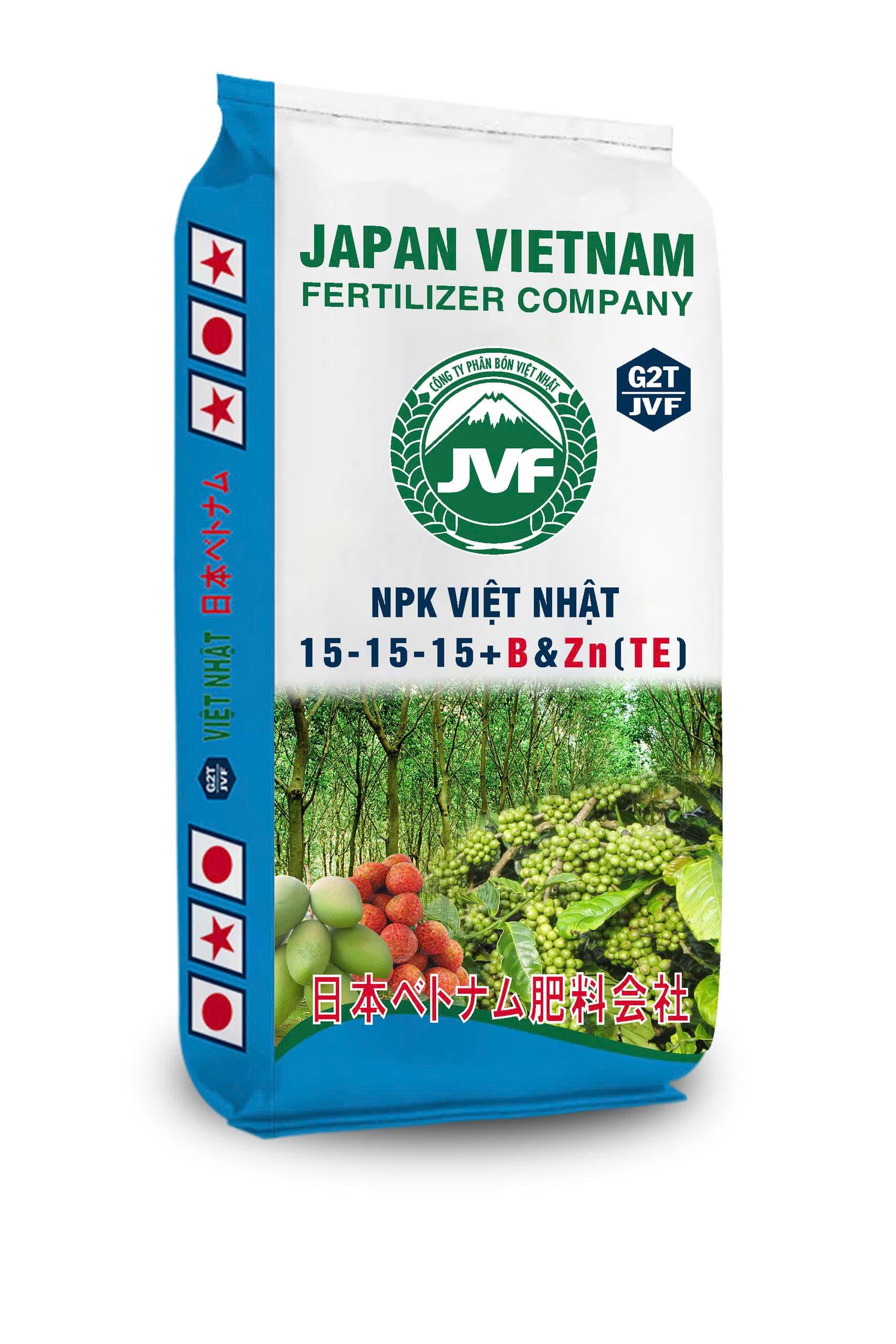
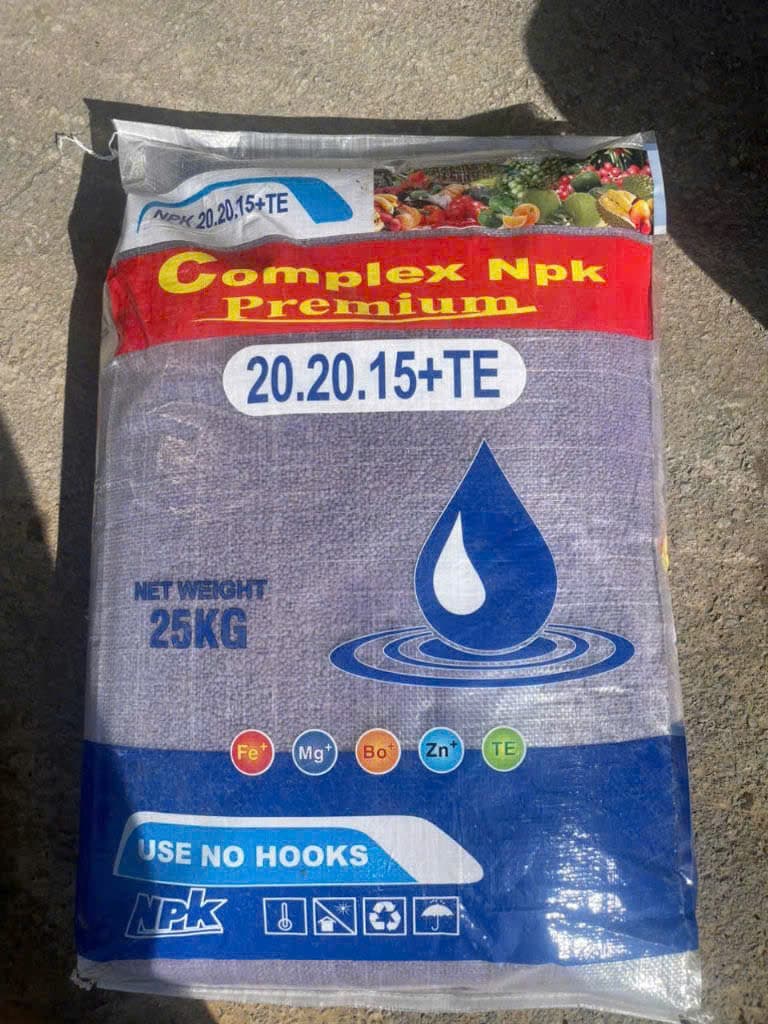
NPK fertilizer refers to 3 macronutrients, that is, 3 the main nutritional elements N, P, K that need to be supplemented first for plants, in order to improve growth ability. and for crop productivity 1/ Effects of macronutrients N, P, K on crops Effects of nitrogen Nitrogen is a basic ingredient, necessary for growth and plant growth such as chlorophyll, nucleic acids, some substances and enzymes that help promote plant growth, etc. Thanks to the addition of enough nitrogen, plants will grow quickly, easily branch, produce branches, and produce leaves. On the contrary, if the plant is not provided with the necessary amount of nitrogen during development, the plant will be stunted and have difficulty growing and resisting. poor, few branches and leaves and few flowers and fruits. Effects of Phosphorus Phosphorus is the element that forms the substances ADP and ATP, substances responsible for providing energy for the biochemical processes of plants, typically the processes of respiration, photosynthesis and nutrient synthesis. In other words, if there is a lack of phosphorus, the plant's metabolism and synthesis processes will be ineffective, affecting growth ability, resistance to pests and diseases as well as the quality of agricultural products. Equally important, phosphorus is also a decisive element in the process of flowering, fruit setting, and fruit ripening. If farmers want to ensure crop productivity and output, they need to pay special attention to fertilizing phosphorus at appropriate times. Effects of Potassium Potassium directly participates in the process of photosynthesis, producing carbohydrates. This element helps increase cell permeability, helping with gas Stomata in leaves open and close conveniently, increasing diffusion rate CO2. Therefore, photosynthesis can take place more effectively, even in cases of low light. Add Meanwhile, potassium is also present in the composition of about 60 different types of yeast, helping to promote and regulate the biochemical processes of plants. 2/ The role of NPK fertilizer in plants Stimulates the growth and development of plants Plants need to be provided with adequate nutritional elements to be able to grow and develop Stable, healthy, high-yield growth. At some important times such as the construction or fruiting stages, the need to absorb N, P, and K will increase compared to normal. However, not all types of soil have enough necessary nutrients. Therefore, using NPK fertilizer will help add nutrients so plants can easily absorb and grow well. The macro elements in fertilizer will help plants increase height, grow green, and stimulate flowers, fruits, and leaves to suit their needs. Besides, the potassium component also promotes the synthesis of carbohydrates and cellulose, increasing sweetness and creating eye-catching colors for the fruit. Increase resistance When plants are provided with enough nutrients, the growth and development process takes place smoothly. This also means that the biochemical processes of plants take place smoothly and effectively, limiting the supply of harmful germs, increasing endurance and minimizing negative impacts from the external environment. 3/ Important notes when using NPK fertilizer Use the right type of NPK fertilizer NPK fertilizers with different formulas will have different nutrient ratios. Based on the needs of each crop, the timing of fertilization, and soil characteristics, farmers will be able to make appropriate choices. Along with that, farmers need to consider choosing reputable fertilizer products that ensure quality, are capable of providing all the necessary nutrients, do not harm plants, users or have negative impacts on the surrounding environment. Apply the right dosage. Dosage greatly affects the effectiveness of fertilizer use. If not used in sufficient dosage, the effectiveness of fertilizer is not guaranteed, and plants will not be provided with enough necessary nutrients. However, overusing it will also have negative effects on plant growth and the surrounding environment. You should not apply a fixed fertilizer formula but should observe the actual condition of the plant to adjust the amount of fertilizer appropriately and effectively. Choose the right time During each stage of development, the nutritional needs of plants are also different. Therefore, you cannot fertilize all at once before planting, but need to plan appropriate fertilizer use based on the process and development stage of the plants. Use fertilizers properly. Need to be equipped with enough masks, gloves, protective clothing and appropriate tools to ensure body safety. You should follow the instructions and accompanying instructions to achieve the best results. In case you do not have much experience with some plant varieties, ask for more information from experts or experienced people to choose and use NPK 1 fertilizer appropriately.